Welcome to

Colab

Robotics & Space Systems Laboratory

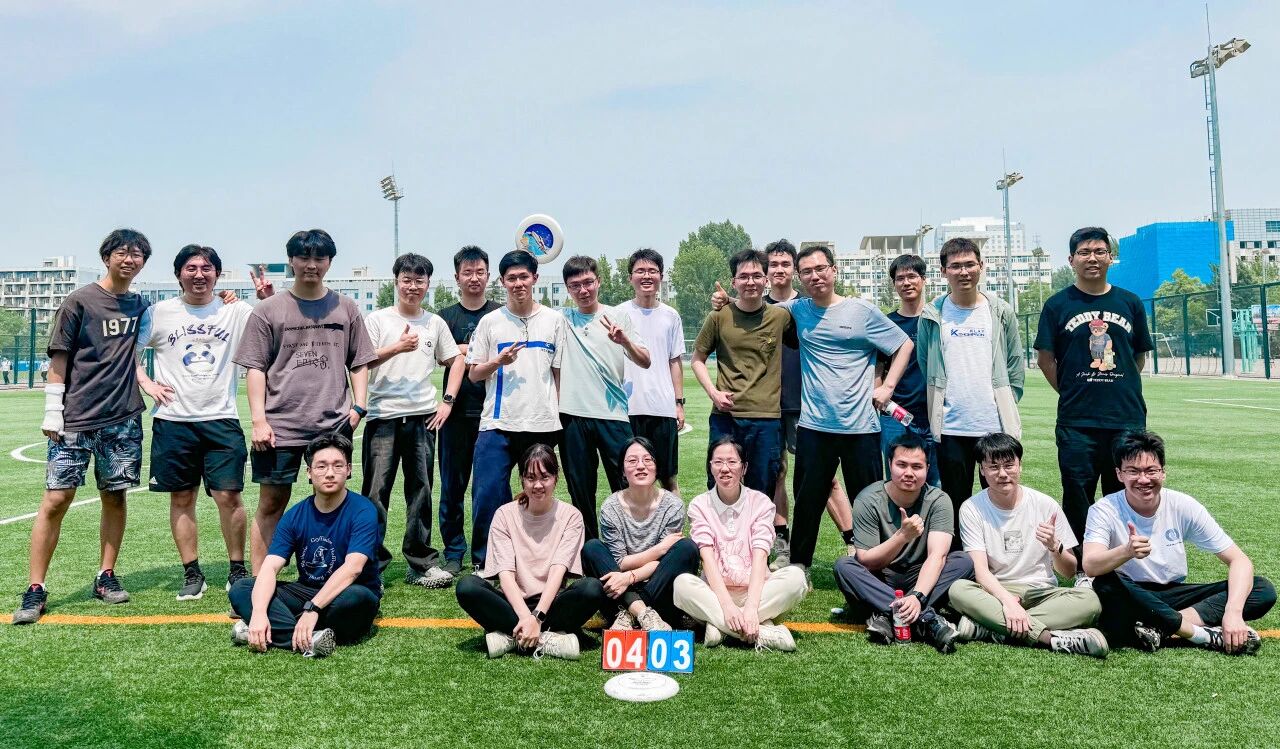
CoLab (Cola Laboratory,可乐实验室) was founded on June 12, 2016. We have deep expertise in human-centric image and video understanding, with core capabilities covering human segmentation, pose estimation, attribute prediction and re-identification. At present, we are focusing on the integration of artificial intelligence technology with cutting-edge platforms such as drones, embodied agents and satellite remote sensing.

Representative Works

Directions

Embodied AI x UAVs

Embodied AI × UAVs

We build aerial embodied agents that integrate vision-language understanding with autonomous policy planning, enabling UAVs to perceive, think, and act in dynamic environments. Our research spans from simulation to real-world deployment, advancing aerial robots capable of intelligent navigation and multi-agent collaboration.

Visit UAV Home Page
Embodied AI x Satellites

Embodied AI × Satellites

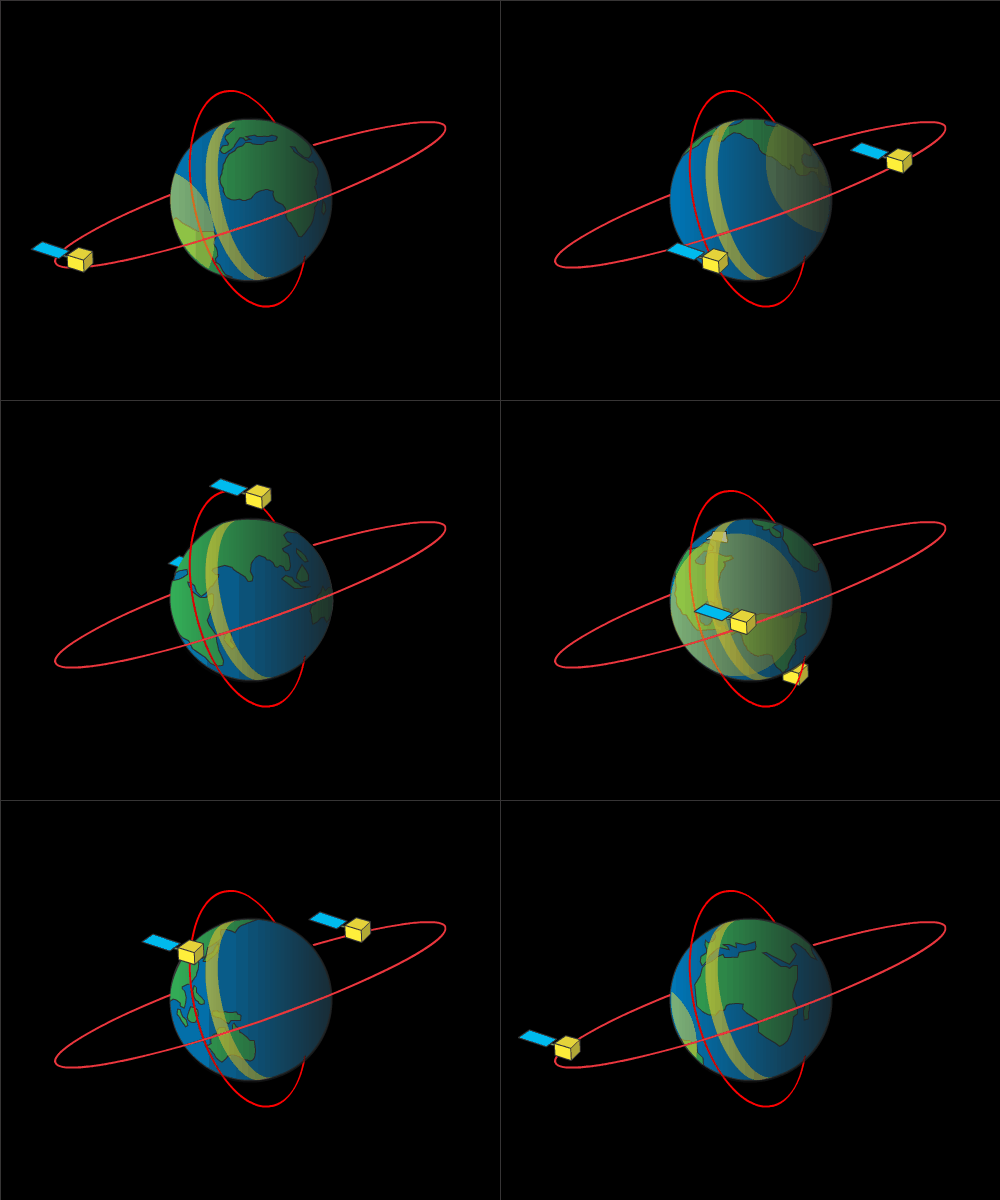
We focus on intelligent scheduling and planning for imaging satellite constellations. By building unified frameworks that integrate benchmarks and learning-based scheduling models, we tackle the NP-hard challenges of large-scale, dynamic Earth observation missions.

Manipulation

Embodied AI × Manipulation

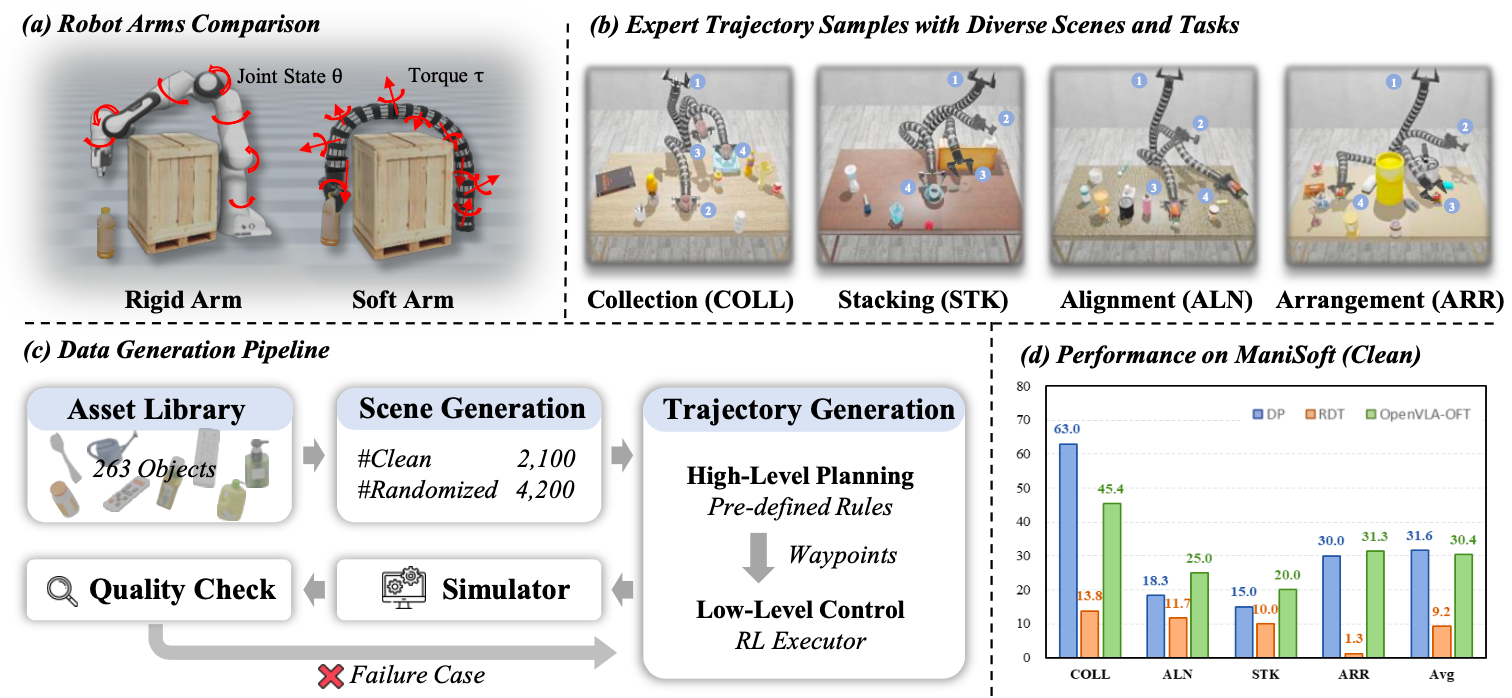
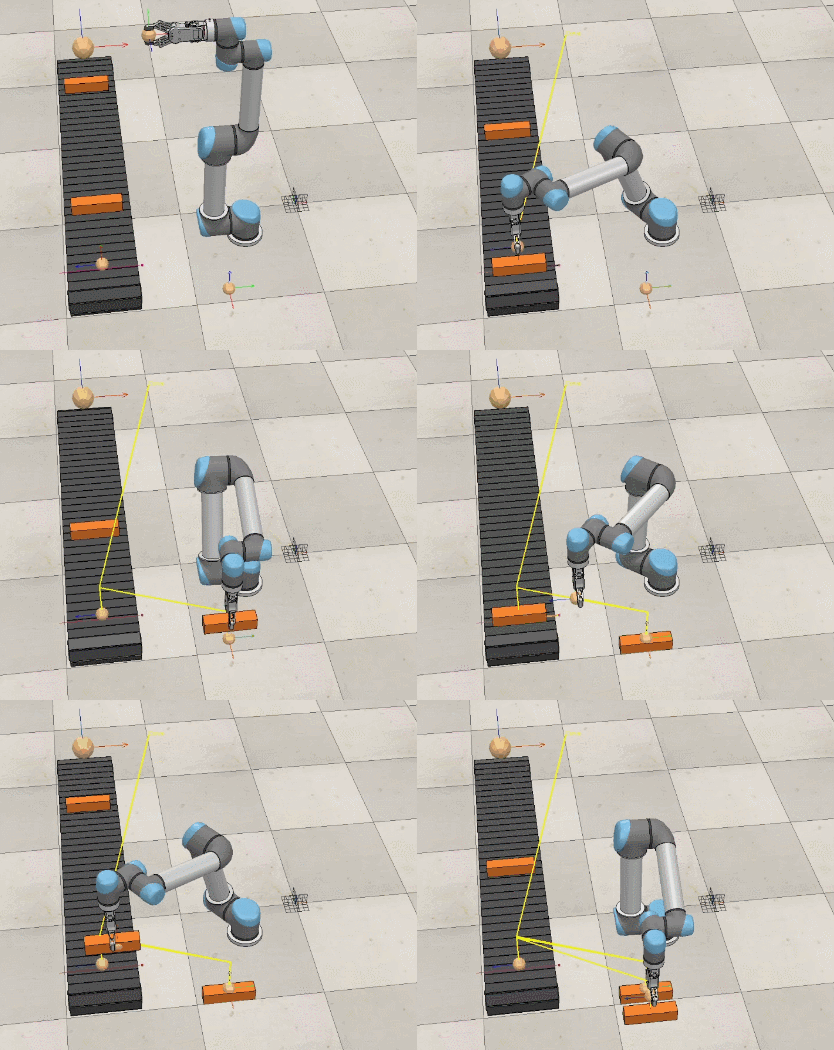
Our manipulation research explores learning-based methods for robotic grasping, dexterous hand control, and human-object interaction. We develop policies that enable robots to manipulate diverse objects and perform complex tasks in unstructured environments.

Embodied Perception

Embodied AI × Perception

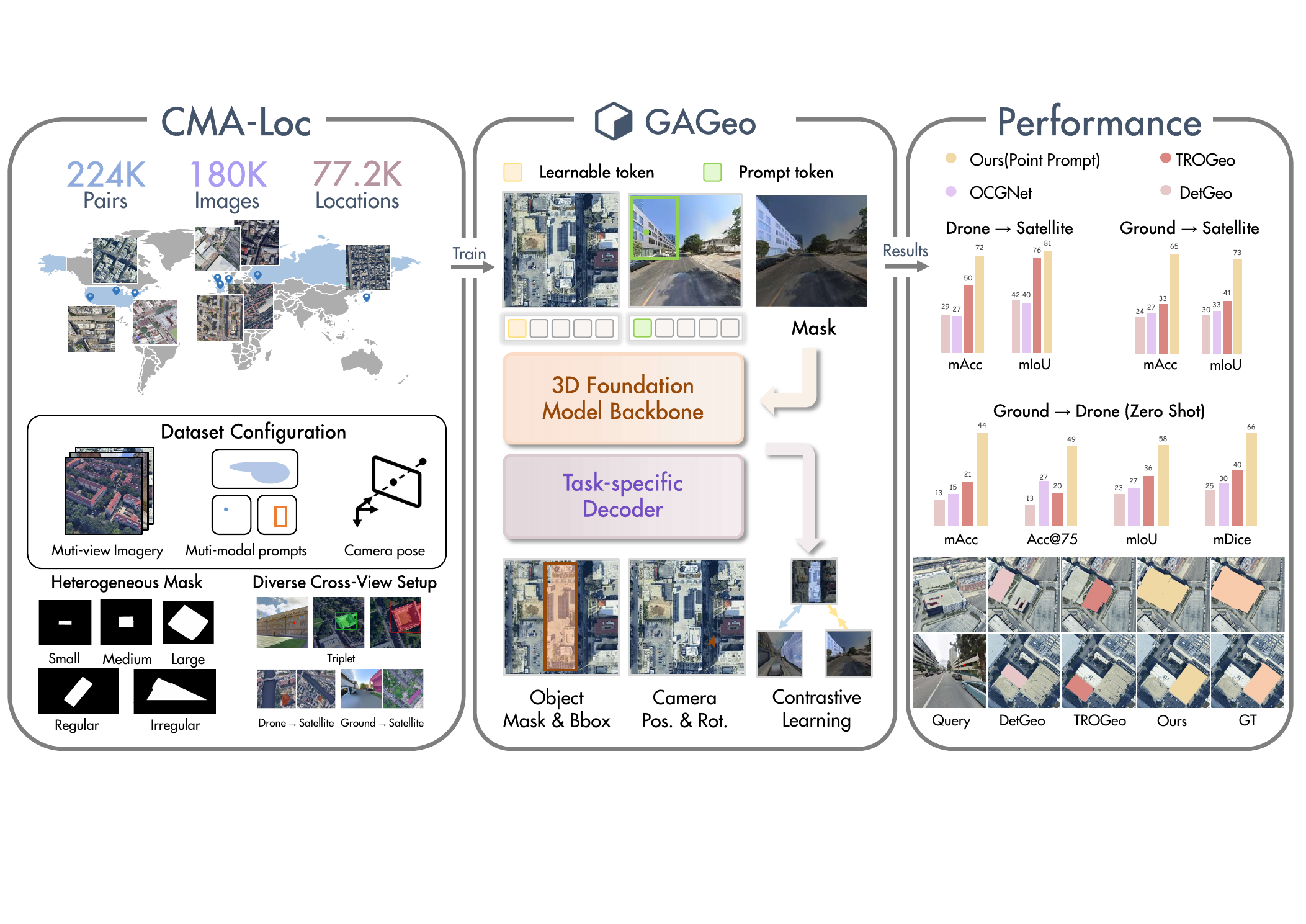
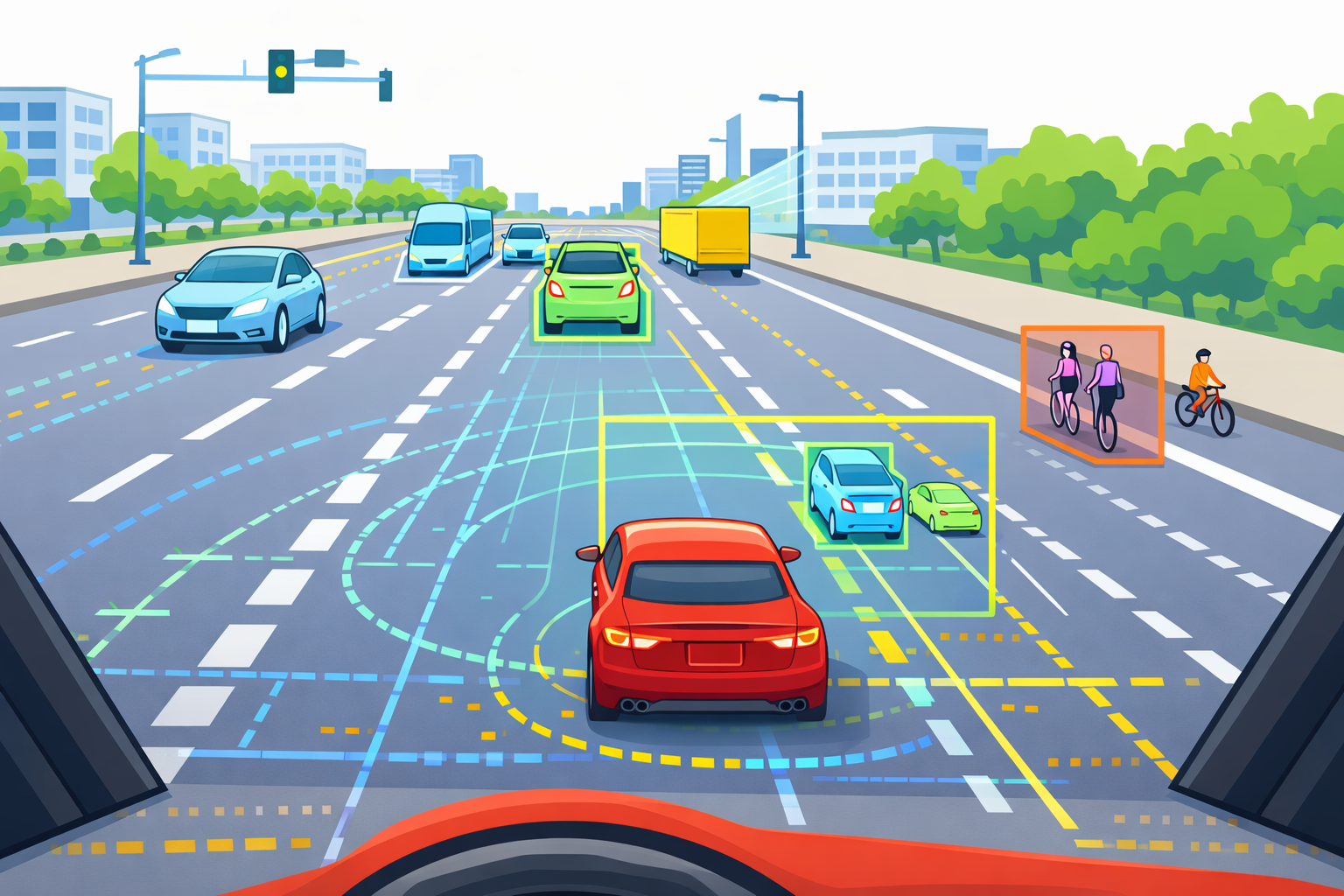
Beyond simple "seeing", we develop agents that deeply understand environments across spatial, temporal, and semantic dimensions. Key tasks include open-vocabulary detection and segmentation, enabling models to recognize and reason about novel objects.

Events

Jan 2026

First Prize at 2025 CICAS AI Agent Global Competition

Team Airstar from Beihang University won the First Prize (Seed Track, top 10 out of 1,150 teams worldwide) at the 2025 CICAS AI Agent Global Competition held in Shenzhen. Themed "Scene-Driven · Digital Intelligence Empowerment," the competition is the world's largest AI agent contest. After rigorous online screening and closed-door expert review evaluating technical originality, architectural innovation, and commercialization potential, Airstar stood out for its focus on embodied intelligence and low-altitude economy, exploring new paradigms for human-robot interaction and intelligent aerial agents.

Jul 2025

Genie Envisioner: First Open-Source Robot World Model Platform

In collaboration with AgiBot (Zhiyuan Robotics) and NUS, CoLab co-released Genie Envisioner (GE) — the industry's first open-source unified world model platform for real-world robotic manipulation. Unlike conventional fragmented pipelines, GE integrates future-frame prediction, policy learning, and simulation evaluation into a single closed-loop, video-generation-centric architecture. Trained on 3,000 hours of real-robot data, GE-Act achieves state-of-the-art cross-platform generalization and long-horizon task execution, outperforming prior methods such as π0 and GR00T.

2025

AEOS-Bench: Satellite Constellation Scheduling Benchmark (NeurIPS 2025)

Targeting space embodied intelligence, CoLab proposed AEOS-Bench — the first large-scale, realistic benchmark for Earth-observation satellite constellation scheduling, along with AEOS-Former, a Transformer-based scheduling model with embedded temporal constraints. Built on a high-fidelity Basilisk simulation engine, AEOS-Bench contains 16K+ scenarios covering 1–50 satellites and 50–300 imaging tasks. AEOS-Former fuses constraint-aware attention masks with satellite-task matching, achieving state-of-the-art performance across all evaluation metrics. Published at NeurIPS 2025.

Apr 2025

ICLR 2025 — 4 Papers Accepted

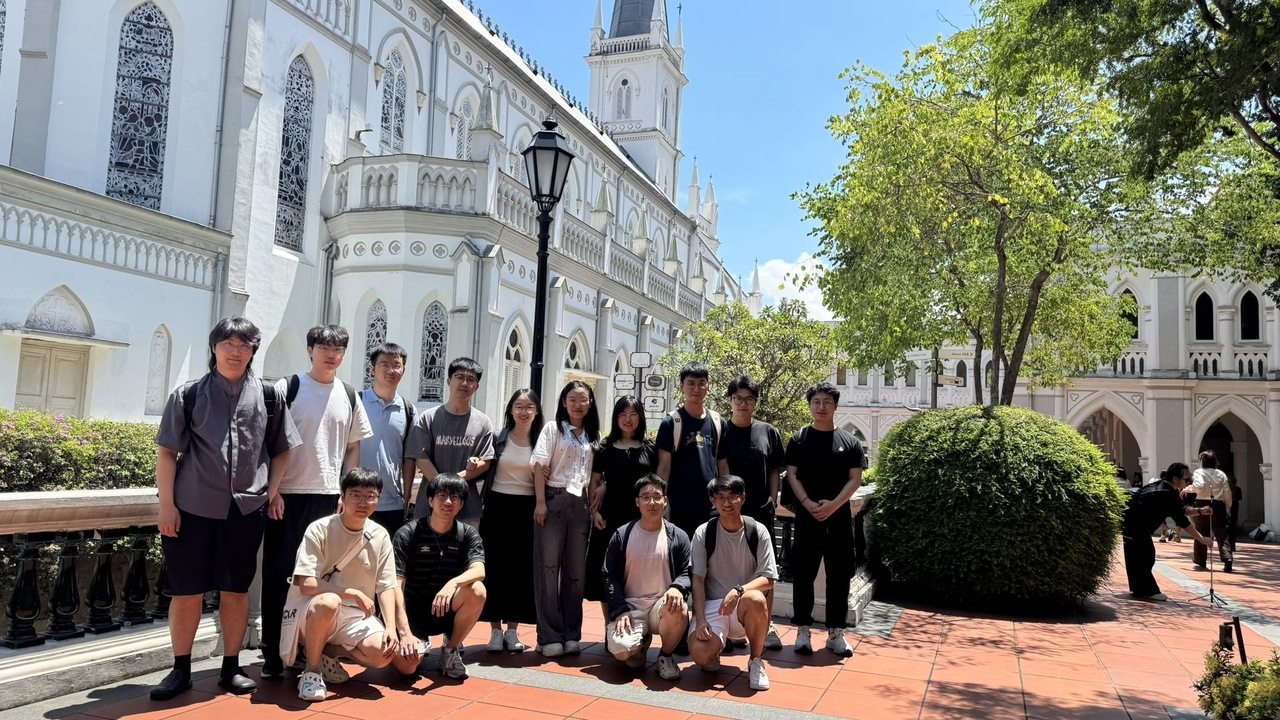
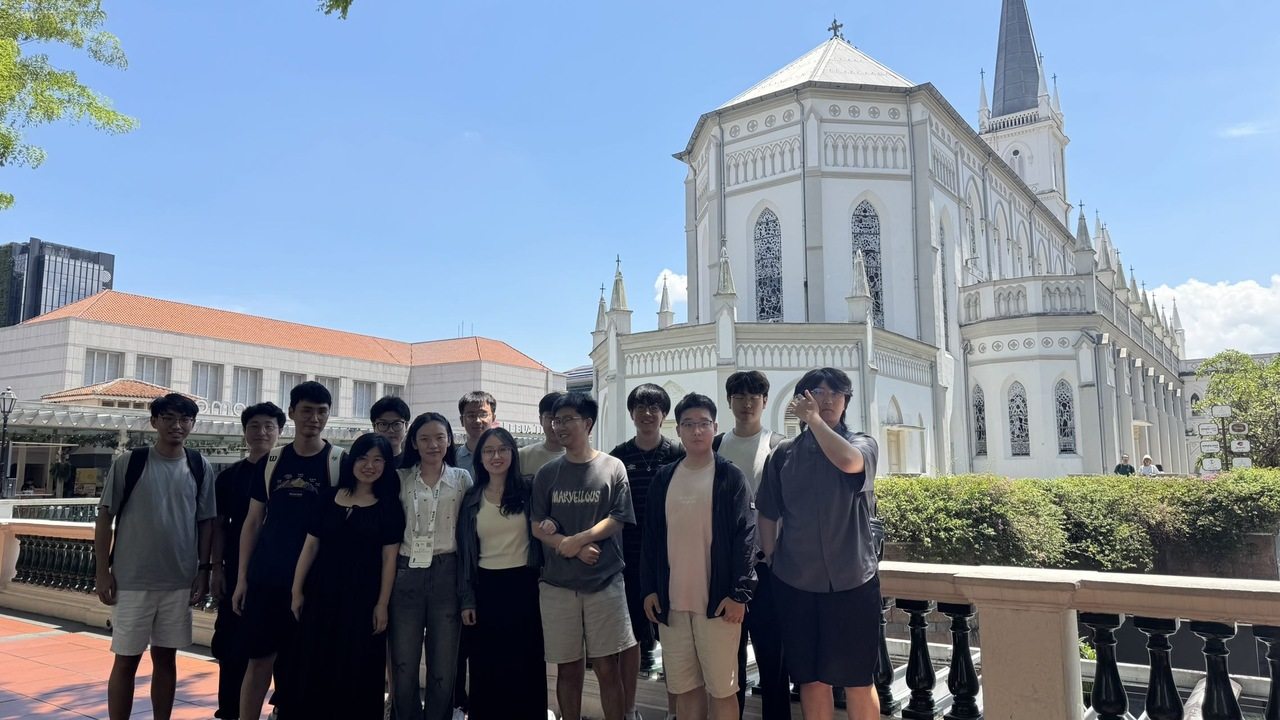
CoLab had four papers accepted at ICLR 2025 in Singapore. The team attended the conference in person, engaging with the global deep learning community at one of the most influential venues in AI research.

May 2024

ICRA 2024 — Paper Accepted & Presented

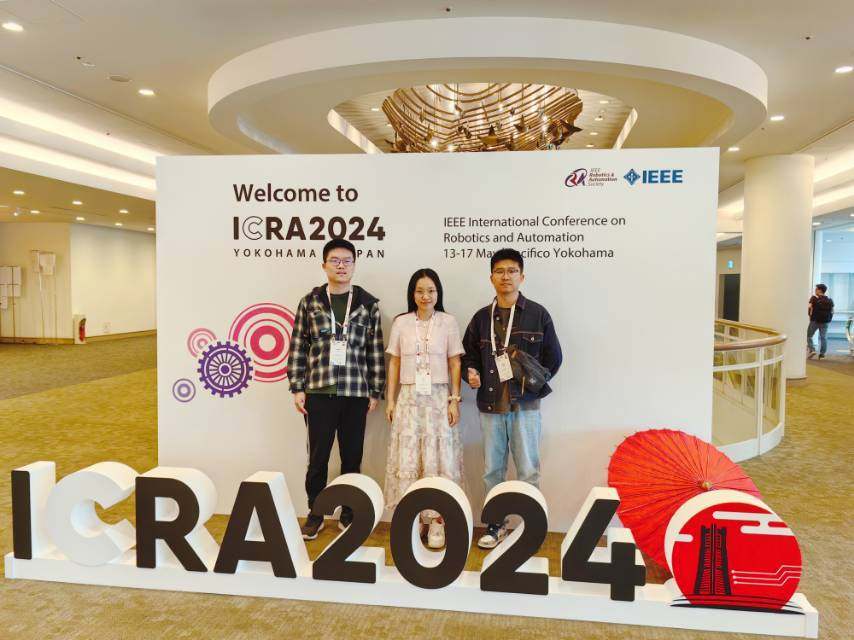
CoLab had one paper accepted at ICRA 2024 held in Yokohama, Japan. The team traveled to Yokohama to present the work and engage with the global robotics community at one of the premier robotics conferences.

Oct 2023

ICCV 2023 — 4 Papers Accepted

CoLab had four papers accepted at ICCV 2023 in Paris, France. Out of 8,260 valid submissions, only 2,161 were accepted (26% acceptance rate) with 152 orals (1.8%). The team attended the conference in person to present their work on this global stage.